
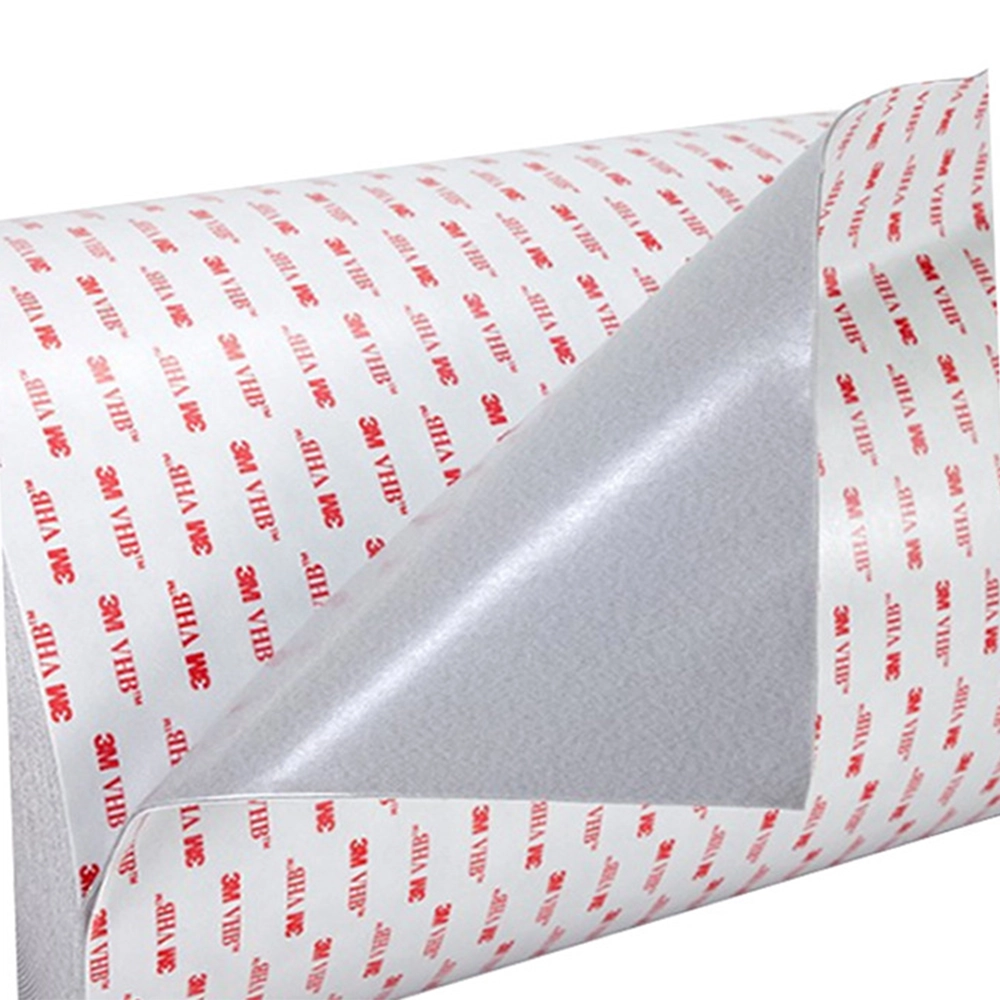
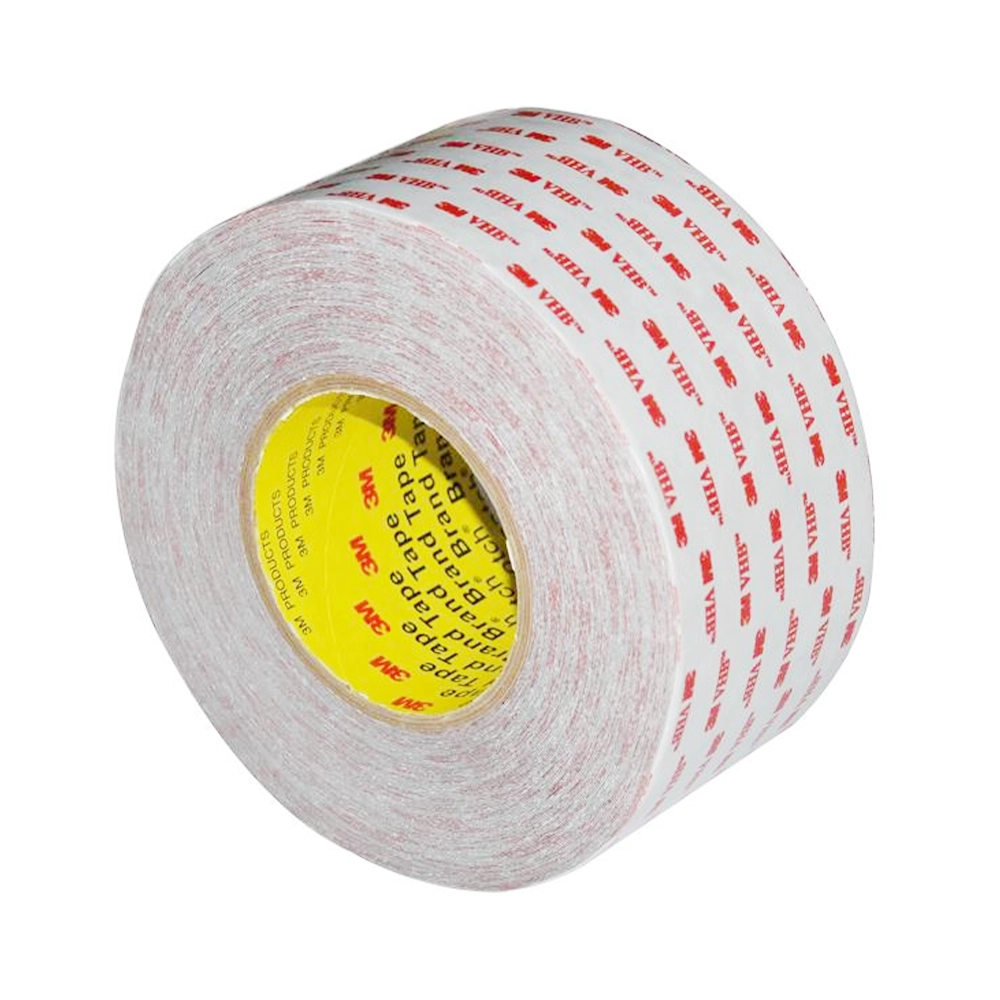
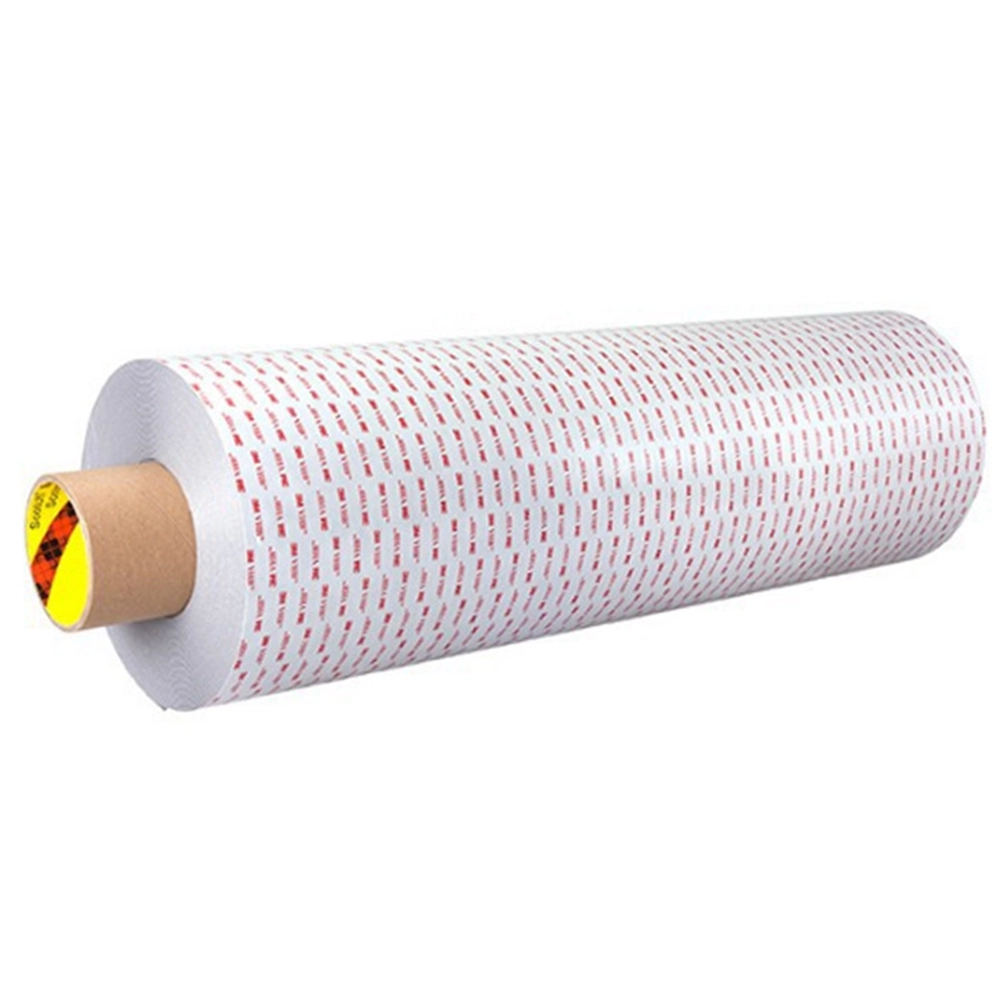
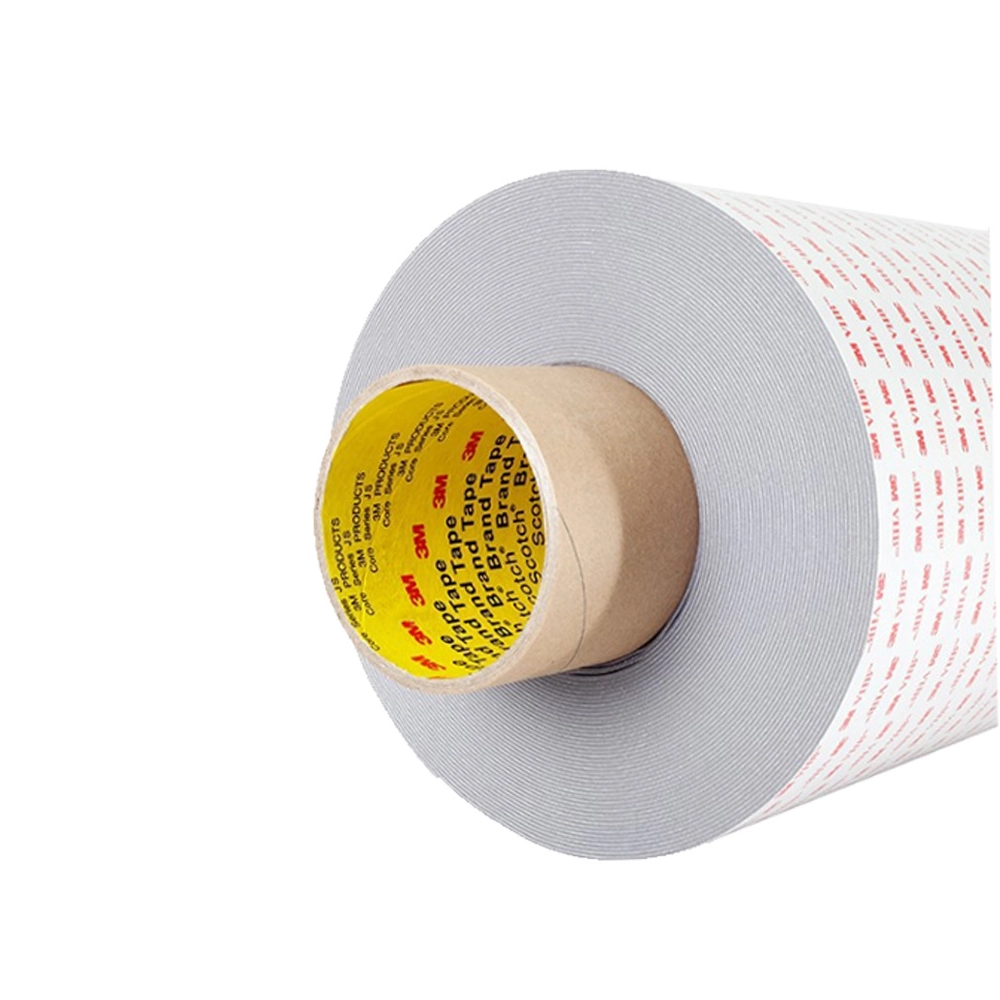
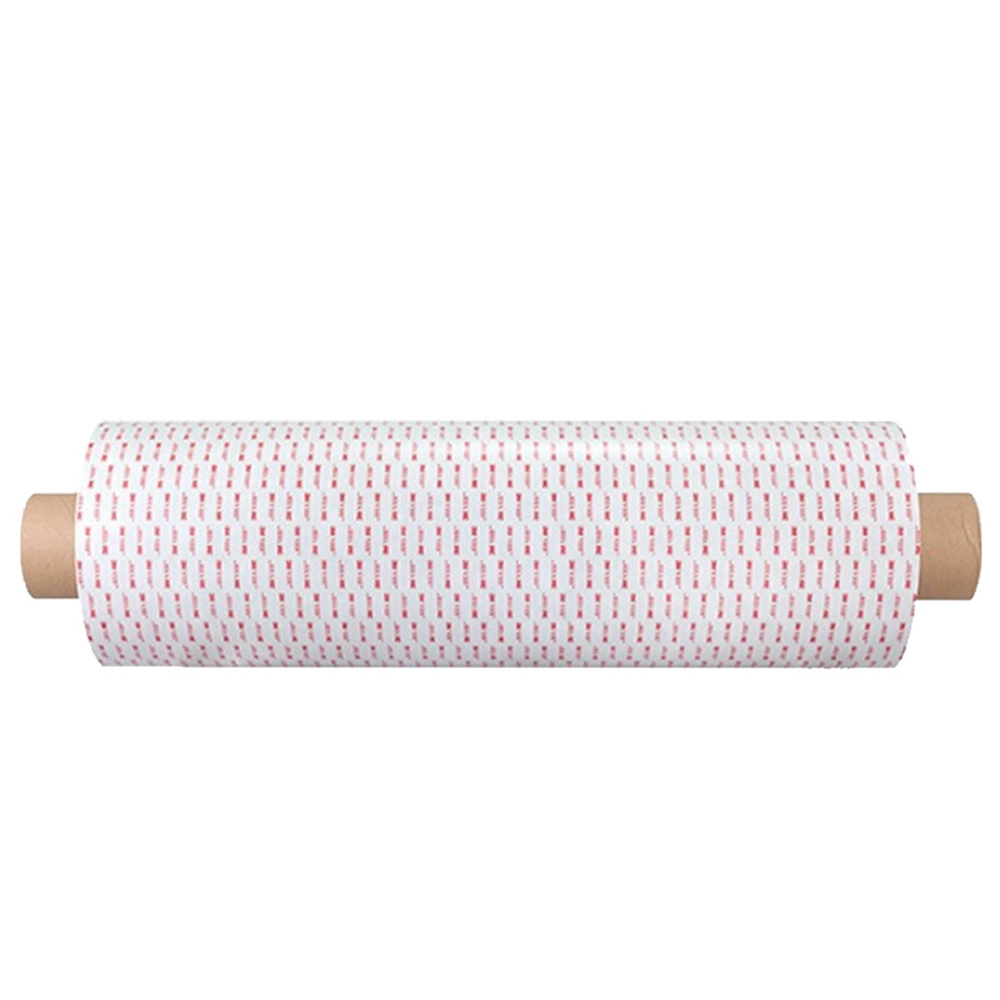
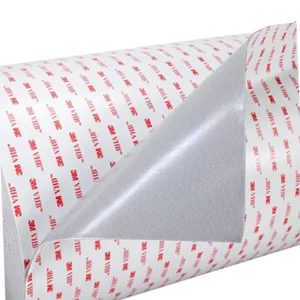
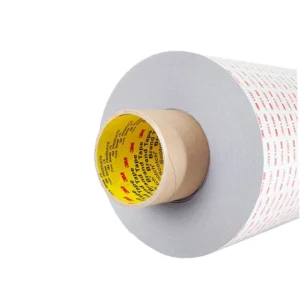
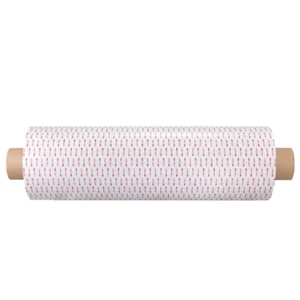
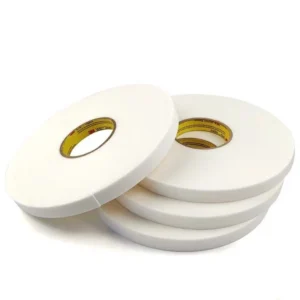
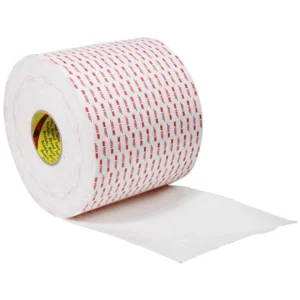
3M 4926 VHB Tape is a gray double-sided acrylic foam tape designed for permanent structural bonding of metals, plastics, and composite materials.
It replaces mechanical fasteners such as screws, rivets, and welds by forming a continuous bond line that distributes stress evenly across the entire joint.
Key Functions
- Permanent structural bonding
- Mechanical fastener replacement
- Stress and vibration absorption
- Multi-material bonding
- Long-term durability
Typical Applications
- Transportation interior assembly
- Metal panel bonding
- Industrial equipment assembly
- Appliance manufacturing
- Signage systems
Typical Substrates
- Aluminum
- Stainless steel
- Painted metals
- Plastics
- Composites
Quick Facts
- Product Type: VHB acrylic foam tape
- Thickness Class: 0.6 mm (mid-range structural grade)
- Adhesive System: General purpose acrylic (dual-side)
- Foam Characteristics: Firm viscoelastic acrylic core
- Bonding Position: Mid-range structural / multi-material bonding
- Primary Strength Focus: Balance of strength and conformability
- Typical Use Environment: Industrial assembly / transportation / signage
Engineering Principle
3M 4926 VHB Tape uses a viscoelastic acrylic foam core that conforms to surface irregularities and distributes stress across the entire bond area.
This reduces localized stress concentration and improves resistance to vibration, thermal cycling, and mechanical fatigue in long-term applications.
Applications
Transportation
- Interior trim bonding
- Panel assembly
- Lightweight structural components
Industrial Manufacturing
- Metal enclosure assembly
- Appliance structural bonding
- Equipment panel attachment
Signage & Construction
- Structural signage
- Metal panels
- Decorative assemblies
Electronics & Appliances
- Housing assembly
- Internal reinforcement
Problems Solved
- Mechanical fastening complexity
- Drilling and machining requirements
- Uneven stress distribution
- Vibration-related loosening
- Corrosion risk from fasteners
Selection Guide
Choose this product if:
- Medium-thickness structural bonding is required
- Opaque bond line is acceptable
- Mixed materials are involved
- Vibration resistance is required
- Permanent assembly is needed
Not recommended if:
- Transparent bonding is required
- Extremely heavy structural loads are involved
- No surface preparation is possible
Technical Specifications
- Product Type: Double-sided acrylic foam tape
- Thickness: 0.6 mm (0.024 in)
- Adhesive Type: General purpose acrylic (both sides)
- Foam Structure: Closed-cell acrylic foam
- Color: Gray
- Temperature Resistance: Long-term up to 93°C / Short-term up to 149°C
- Typical Substrates: Metals, plastics, composites, painted surfaces
Platform Context
3M 4926 is part of the 3M VHB acrylic foam tape platform designed for mid-range structural bonding applications.
It shares the same general-purpose acrylic adhesive system used across the VHB structural bonding platform, optimized for 0.6 mm thickness applications.
This structure provides a balance between strength, conformability, and multi-material compatibility.
Comparison
| Property | 3M 4926 VHB | Screws/Rivets | Liquid Adhesive |
|---|---|---|---|
| Appearance | Good | Poor | Good |
| Installation Speed | High | Low | Medium |
| Stress Distribution | Uniform | Point load | Medium |
| Vibration Resistance | High | Low | Medium |
| Surface Damage | None | Yes | No |
Installation Guidelines
- Clean surfaces with isopropyl alcohol
- Ensure surfaces are dry and free of contaminants
- Apply uniform pressure during bonding
- Avoid immediate mechanical loading
- Allow bond strength to develop over time
Common Mistakes
- Contaminated bonding surfaces
- Insufficient application pressure
- Incorrect substrate selection
- Low-temperature installation
- Immediate load after bonding
FAQ
Can 3M 4926 replace screws or rivets?
It can replace mechanical fasteners in many structural bonding applications depending on engineering requirements.
What materials can it bond?
Metals, plastics, composites, and painted surfaces.
Does it require curing?
No curing is required, but bond strength develops over time.
What causes bonding failure?
Most failures are caused by improper surface preparation or incorrect application conditions.
Reviews
There are no reviews yet.