
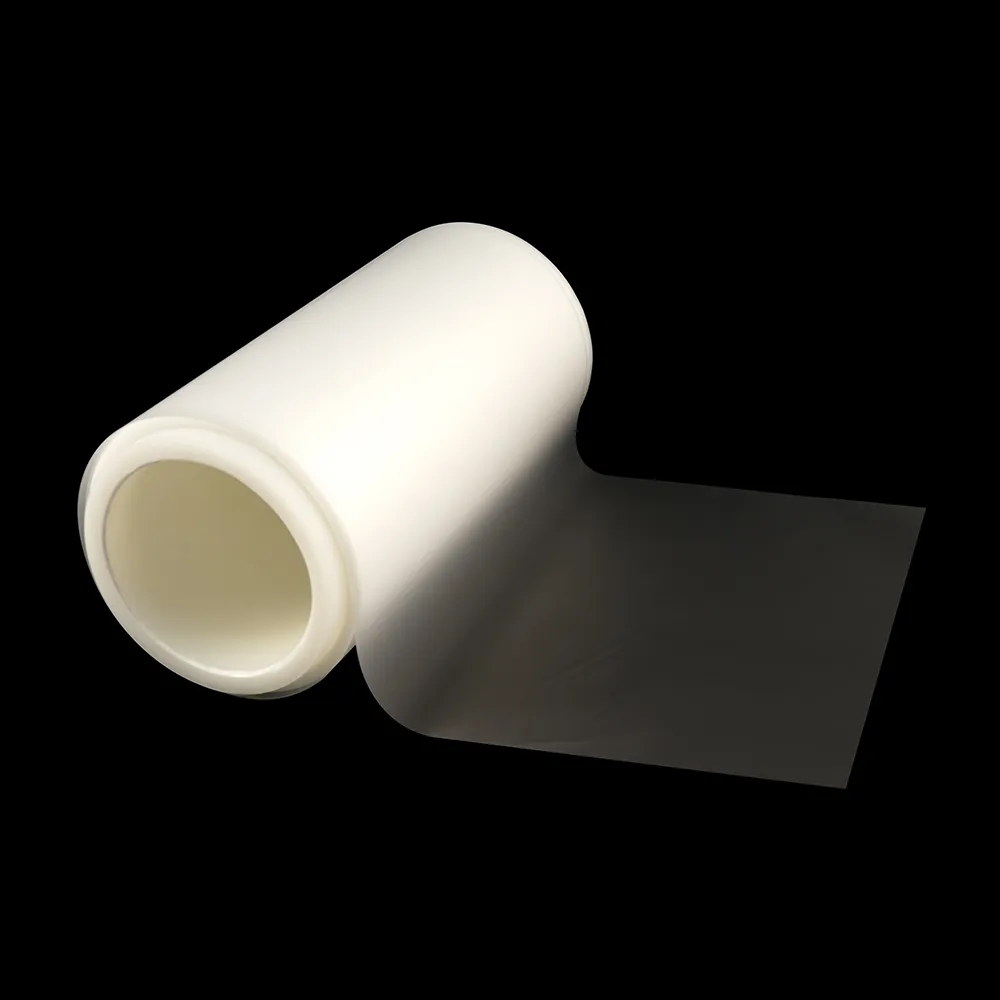
Why ETFE is the Preferred Alternative to Glass & PTFE
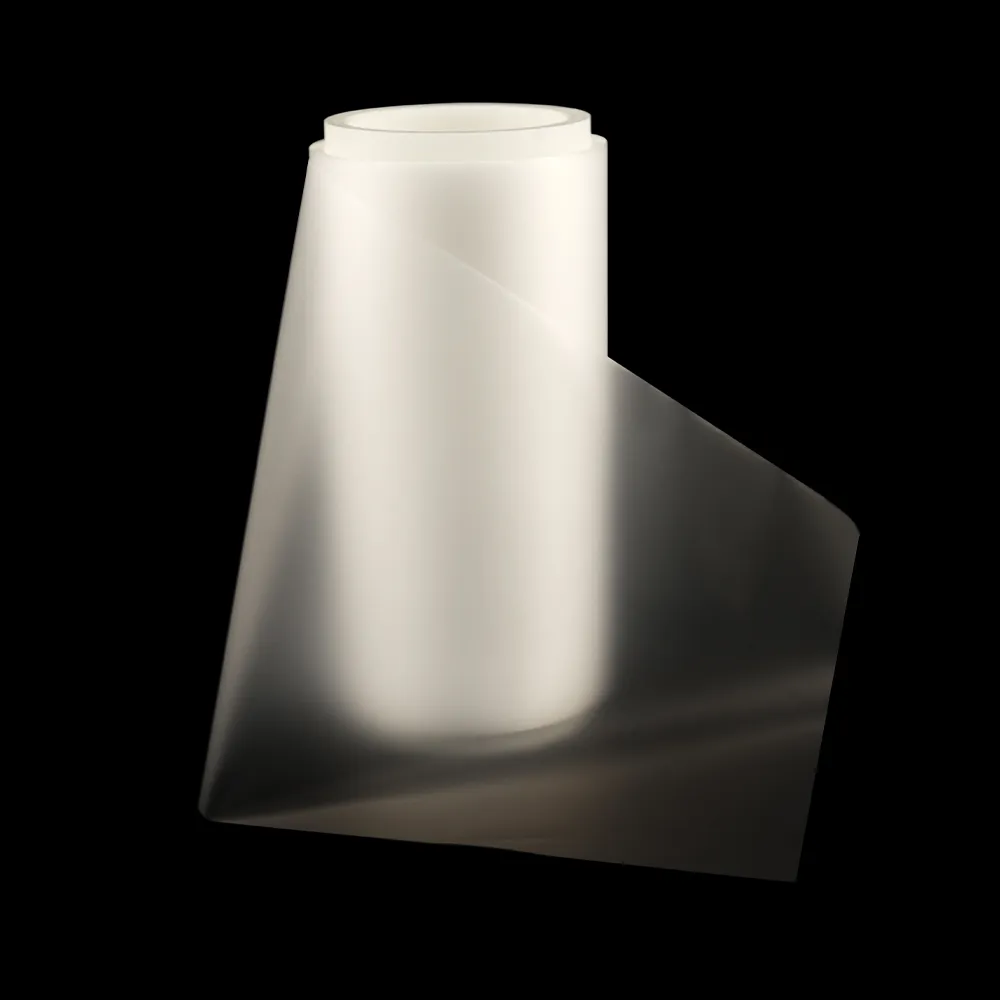
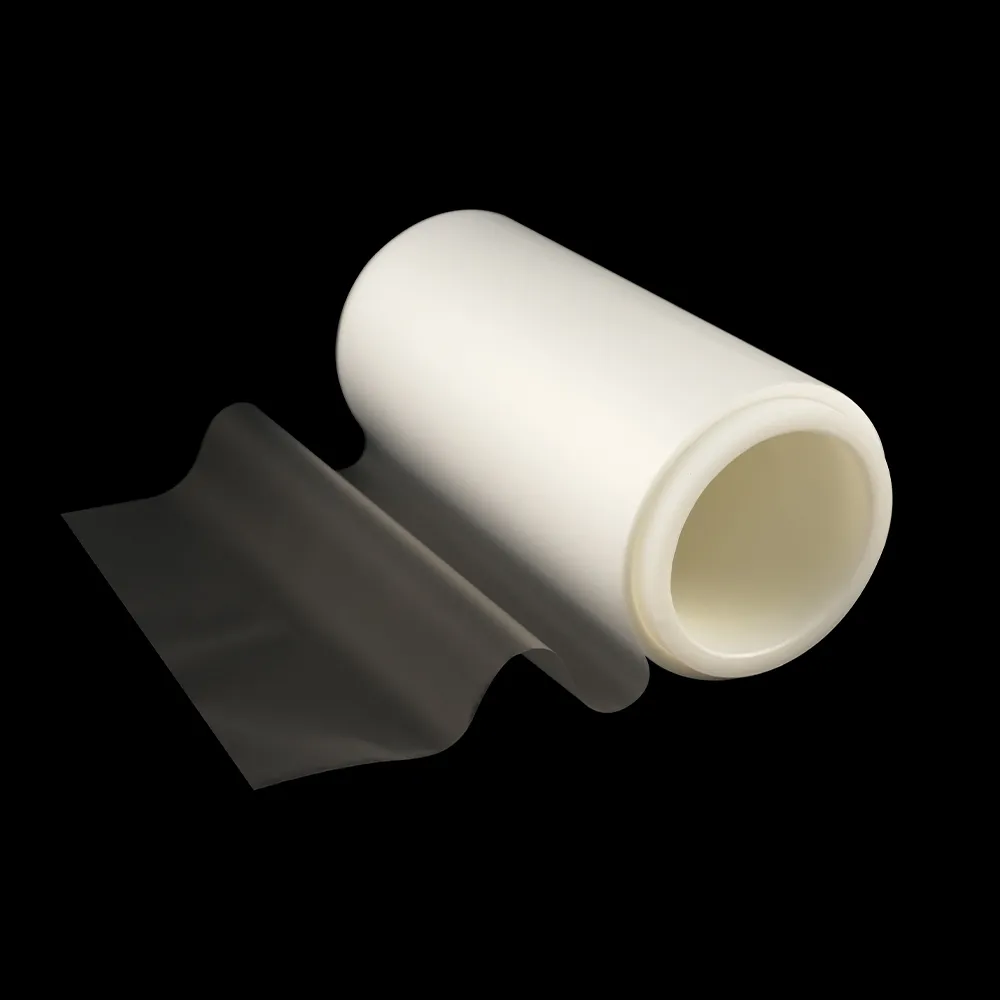
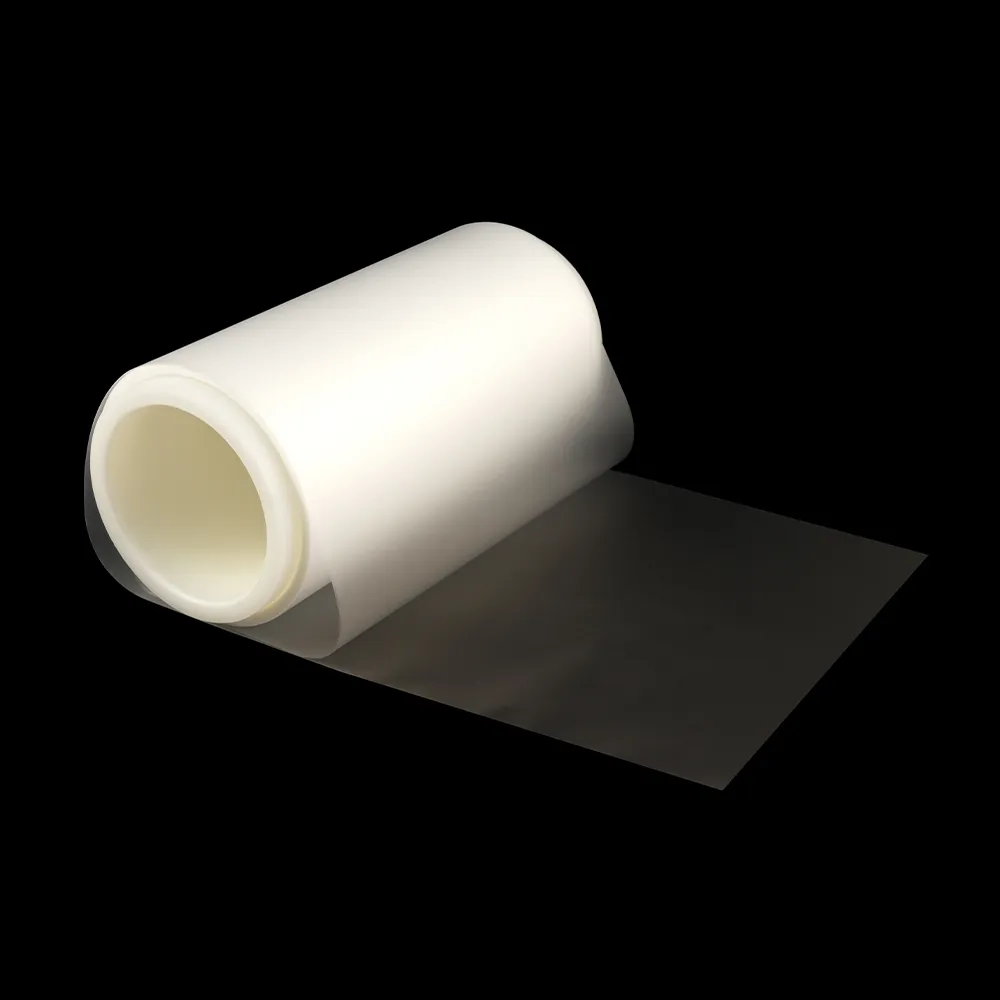
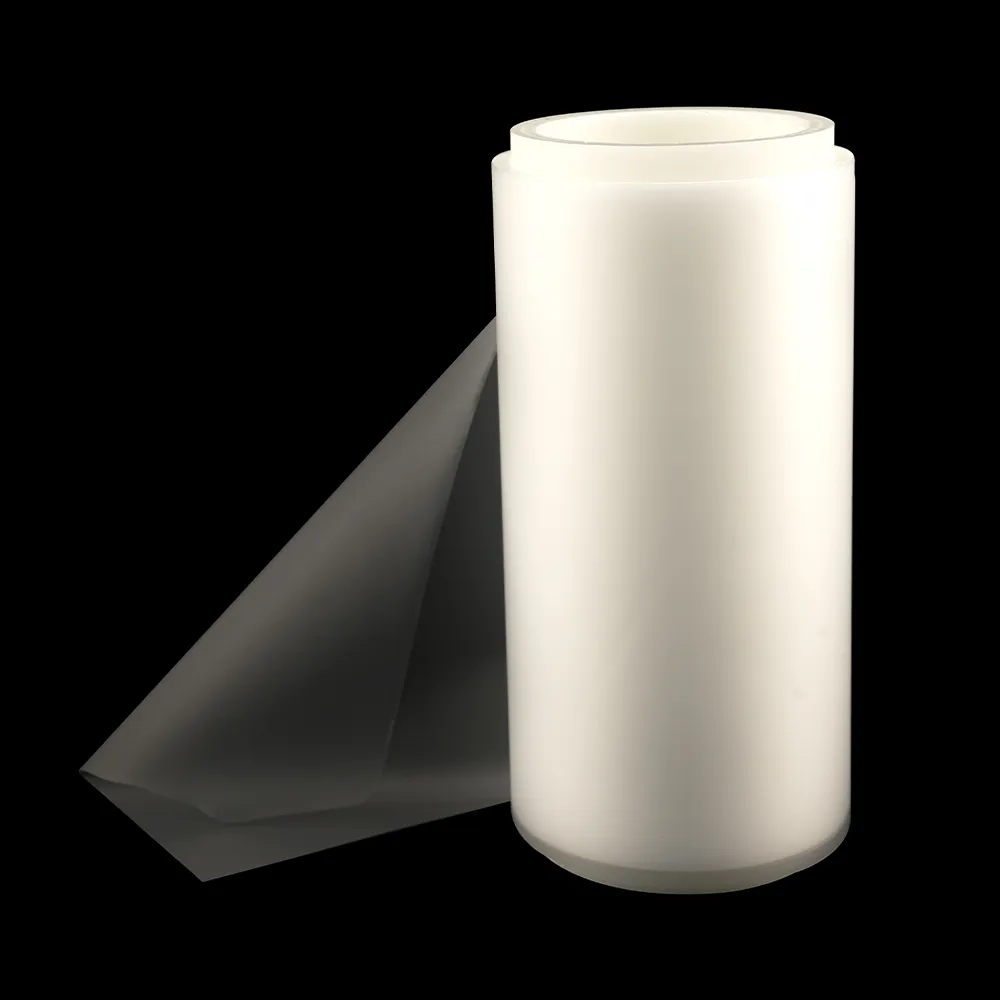
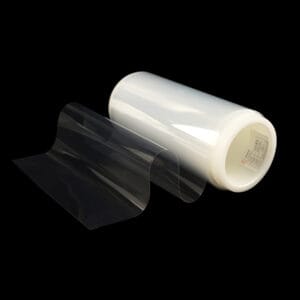
While glass is heavy and PTFE is opaque, ETFE strikes the perfect balance. It is highly translucent, allowing the full spectrum of visible and UV light to pass through, which is critical for healthy plant growth in agricultural settings and natural lighting in stadiums.
| Test Items | Typical Value | Unit | Test Method |
|---|---|---|---|
| Material | ETFE | – | – |
| Total Thickness | 25~150 | μm | – |
| Specific Gravity | 1.72–1.77 | – | ASTM D1505 |
| Refractive Index | 1.403 | – | ASTM D542 |
| Light Transmittance | 90 | % | ASTM E424 |
| Moisture Absorption Rate | <0.01 | % | – |
| Fracture Strength | 42 | MPa | ASTM D882 |
| Elongation at Break | 300 | % | ASTM D882 |
| MIT Bending Cycles | 40,000 | cycles | ASTM D2176 |
| Melting Point | 260 | °C | ASTM D3418 |
| Long-term Use Temperature | 150 | °C | UL-746B |
| Heat Shrinkage Rate (150°C × 10 min) | ±5 | % | ASTM D3595-97 |
| Flame Retardancy | VTM-0 | – | UL-94 |
| Limiting Oxygen Index | 30 | % | ASTM D2863 |
| Dielectric Strength | 0.025mm film: 160 | kV/mm | ASTM D149 |
| 1mm film: 30 | kV/mm | ASTM D149 | |
| Dielectric Constant | 1 MHz: 2.6 | – | ASTM D150 |
| 1000 MHz: 2.7 | – | ASTM D150 | |
| Dielectric Loss | 1 MHz: 0.007 | – | ASTM D150 |
| 1000 MHz: 0.009 | – | ASTM D150 | |
| Volume Resistivity | >1.0×10¹⁷ | ohm·cm | ASTM D257 |
| Surface Resistivity | >1.0×10¹⁶ | ohm/sq | ASTM D257 |
Engineering Excellence: Why Professionals Choose KAWIN ETFE
Hydrophobic Self-Cleaning Surface: Due to its extremely low surface tension, ETFE is naturally non-stick. Rainwater easily washes away dust and pollutants, maintaining peak clarity without manual cleaning.
Exceptional Tear Propagation Resistance: Unlike other thin films, if an ETFE sheet is punctured, it resists the propagation of the tear under wind load, allowing for localized repairs rather than full panel replacement.
Broad Spectrum UV Permeability: Essential for botanical greenhouses, our film allows UV-A and UV-B rays to pass through, which are necessary for the natural pollination and pigmentation of plants.
Extreme Thermal Stability: From the sub-zero temperatures of high-altitude structures (-200°C) to the heat of industrial linings (+150°C), the film maintains its mechanical elasticity.
High-Stakes Application Scenarios
Architectural Cushions (Pneumatic Systems): Multi-layer ETFE cushions for stadiums and canopies, offering superior insulation and aesthetics.
Advanced Agricultural Greenhouses: Providing a durable, high-yield environment that lasts 3 times longer than PE films.
Solar Cell Encapsulation: Used as a top-layer protective film for flexible PV modules due to its UV transparency and weatherability.
Industrial Linings: Protecting chemical storage tanks and pipes from aggressive acids and bases.
Bespoke Customization & Precision Processing
We specialize in delivering ETFE solutions tailored to your project’s CAD requirements:
Thickness Control: Precision extrusion from 25μm (electronics grade) to 500μm (heavy-duty structural grade).
Surface Texturing: Available in Matte (Anti-Glare), Glossy, or Printed (Frit) finishes to control solar heat gain (G-value).
Color Tinting: Blue, Green, or custom tints for aesthetic architectural integration.
Corona Treatment: Optional surface treatment for enhanced adhesion in lamination processes.
FAQ
Q: Does ETFE film turn yellow or become brittle over time?
A: No. Unlike PVC or PET, ETFE is a fluoropolymer. It is inherently UV-stable and does not contain plasticizers that can leach out. It remains clear and flexible for over 30 years in direct sunlight.
Q: Is ETFE film fire-resistant?
A: ETFE is self-extinguishing. It is classified as a low-flammability material (e.g., UL 94 V-0 or B1 standards). In the event of a fire, it shrinks away from the heat source without dripping or releasing toxic smoke.
Q: Can ETFE film be recycled?
A: Yes. ETFE is a 100% recyclable material. Off-cuts from manufacturing or old panels can be re-melted and extruded into new ETFE products.
Reviews
There are no reviews yet.