
2026 Update Notice
This guide was originally published in 2025 and has been fully updated in 2026 to reflect the latest developments in industrial double sided tape applications, materials, and global adhesive trends.
Today, double sided tape is no longer only a mounting material—it has become a critical structural bonding solution used across automotive, electronics, construction, and energy industries.
Introduction to Double Sided Tape
Double sided tape, also known as double-coated or double-faced tape, is an essential adhesive tool featuring pressure-sensitive adhesive on both sides of a carrier material. This allows it to bond two surfaces together invisibly, providing a clean and professional finish without the need for visible fasteners like screws or nails. Widely used in homes, offices, crafting, and industries, double sided tape has evolved with advancements in adhesive technology. In this ultimate guide updated for 2026, we’ll cover everything from types and applications to selection tips, benefits, and emerging trends, helping you choose the best option for your projects.
What is Double Sided Tape and How Does It Work?
Double sided tape consists of a carrier (such as paper, film, or foam) coated with adhesive on both sides, often protected by a release liner that peels off during application. It bonds surfaces by distributing stress evenly and can handle various environmental conditions like moisture, UV exposure, and temperature fluctuations.
The adhesive activates under pressure, creating an immediate bond without curing time. Carriers vary in thickness: thin for smooth surfaces and thick for uneven or textured ones. Adhesives can be the same or different on each side to suit specific materials, such as low surface energy (LSE) substrates like plastics.
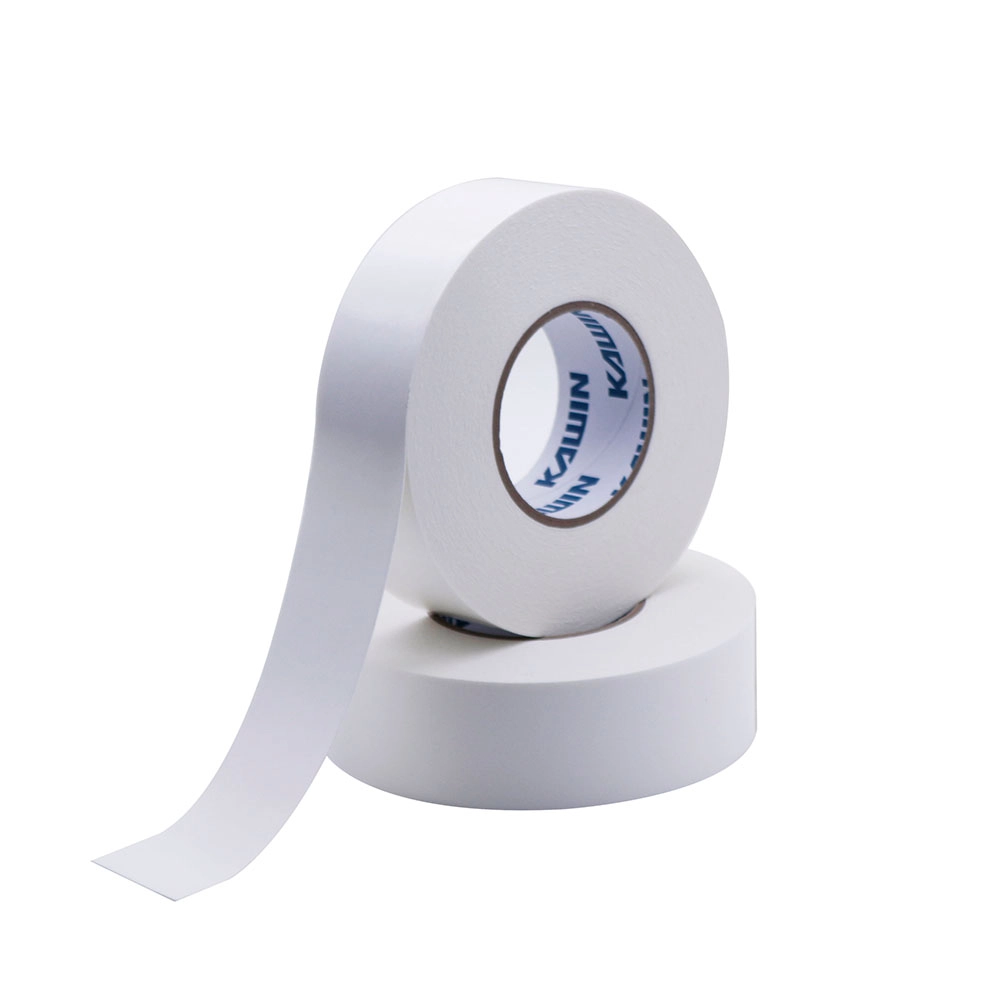
Key Components
Carrier: Provides structure; examples include foam for cushioning or film for durability.
Adhesive: Rubber for quick tack, acrylic for long-term strength, or silicone for high-temperature resistance.
Release Liner: Protects the adhesive until use, often silicone-coated for easy peeling.
Types of Double Sided Tape
Double sided tape comes in various types tailored to specific needs. Here’s a comparison table for quick reference:
Type | Carrier Material | Adhesive Base | Best For | Strength Level | Thickness |
|---|---|---|---|---|---|
Foam | Acrylic/Rubber | Uneven surfaces, vibration damping | High | Thick | |
Acrylic Tape | Film | Acrylic | Outdoor, UV-resistant applications | Very High | Thin-Medium |
Rubber-Based Tape | Paper/Film | Rubber | Quick fixes, low-energy surfaces | Medium | Thin |
Tissue Tape | Tissue Paper | Acrylic/Rubber | Crafting, lightweight bonding | Low-Medium | Very Thin |
Film Tape | Plastic Film | Acrylic | Industrial assembly, electronics | High | Thin |
VHB (Very High Bond) | Foam/Film | Acrylic | Heavy-duty, structural bonding | Extremely High | Medium-Thick |
Foam Double Sided Tape: Offers cushioning and flexibility, ideal for mounting on irregular surfaces like walls or automotive trims.
Acrylic Double Sided Tape: Weather-resistant and UV-stable, perfect for outdoor signage or glass bonding.
Rubber-Based Double Sided Tape: Provides high initial tack for temporary holds, such as securing carpets.
Tissue Double Sided Tape: Thin and flexible for paper crafts, scrapbooking, or lightweight attachments.
Film Double Sided Tape: Durable for high-strength needs in electronics or manufacturing.
Benefits of Double Sided Tape
Double sided tape outperforms traditional fasteners in many ways:
Invisible Bonding: Creates seamless joins for aesthetic appeal.
Versatility: Bonds diverse materials like metal, plastic, wood, glass, and fabric.
Ease of Use: No tools required; apply pressure for instant adhesion.
Durability: Resists environmental factors; some types withstand extreme temperatures or moisture.
Cost-Effective: Reduces need for hardware and labor.
Even Stress Distribution: Prevents pressure points, reducing material fatigue.
Eco-Friendly Options: Increasingly available with solvent-free or bio-based adhesives.
Common Applications of Double Sided Tape
Home and DIY
Mounting posters, mirrors, or shelves without wall damage.
Securing rugs to prevent slips.
Cable management or attaching decorations.
Crafting and Hobbies
Scrapbooking, card making, or fabric bonding.
Assembling models or costumes.
Industrial and Commercial
Automotive: Attaching trims, dashboards, or panels in lightweight vehicles.
Electronics: Bonding components in compact devices like smartphones.
Construction: Sealing house wraps, vapor barriers, or mounting signage.
Packaging: Splicing and tabbing in manufacturing.
In 2025, applications in renewable energy (e.g., solar panel assembly) and e-commerce packaging are surging.
How to Choose the Right Double Sided Tape
Follow these steps:
Assess Surfaces: Smooth surfaces need thin tape; rough ones require thick foam.
Surface Energy: High-energy (e.g., metal) bonds easily; low-energy (e.g., plastic) needs high-tack adhesive.
Environmental Factors: Consider temperature, humidity, UV, and chemicals.
Load and Duration: Heavy objects demand high-strength tape like VHB; temporary uses suit removable options.
Thickness and Width: Thicker for gaps; wider for larger areas.
Consult experts or use selection tools from brands like 3M for precise matches.
Tips for Applying Double Sided Tape
Clean Surfaces: Use rubbing alcohol to remove dirt, oil, or residue.
Apply Pressure: Firmly press for 10-30 seconds to activate adhesion.
Temperature Awareness: Apply in 60-100°F (15-38°C) for best results; use heat-resistant tapes for extremes.
Test First: On delicate surfaces to avoid damage.
Storage: Keep in cool, dry places to preserve adhesive quality.
Top Brands and Recommendations for 2026
3M: Leaders in VHB tapes for structural bonding.
Tesa: Industrial-grade options with eco-friendly lines.
Gorilla: Heavy-duty for home use.
KAWIN: Focus on industrial tapes, with highly competitive pricing.
Nitto Denko: High-performance for electronics.
Look for 2026 innovations like bio-based adhesives from these brands.
2026 Double Sided Tape Industry Trends
1. EV Industry Becomes the Main Growth Driver
Electric vehicles increasingly rely on double sided tapes for:
- Battery pack insulation and fixation
- Lightweight structural bonding
- Interior trim assembly without mechanical fasteners
This shift is driven by weight reduction and safety optimization requirements.
2. Ultra-Thin Electronics Bonding Expansion
With continuous device miniaturization, double sided tapes are widely used in:
- Smartphones
- Foldable displays
- Wearable devices
- Semiconductor packaging
Ultra-thin, high-precision adhesive layers are becoming the new standard.
3. Acrylic Foam Tape Dominates High-End Applications
Acrylic foam tapes are increasingly replacing traditional mechanical fastening due to:
- Excellent vibration resistance
- High temperature stability
- Long-term durability
- Strong adhesion on low surface energy materials
4. Sustainability and Low-VOC Adhesives
Environmental regulations in the EU and US are accelerating the adoption of:
- Solvent-free adhesives
- Low-VOC formulations
- Recyclable adhesive systems
Sustainability is now a key purchasing factor in industrial procurement.
5. Shift Toward Adhesive-First Manufacturing
Manufacturers are moving toward “adhesive-first design”, reducing or eliminating:
- Screws
- Rivets
- Welding points
This improves:
- Production efficiency
- Product aesthetics
- Vibration resistance
- Assembly automation
2025 vs 2026 Comparison
| Category | 2025 Trend | 2026 Trend |
|---|---|---|
| Automotive | Interior bonding use | EV structural & battery integration |
| Electronics | Standard adhesive tapes | Ultra-thin precision bonding systems |
| Industrial Assembly | Hybrid fastening methods | Adhesive-first manufacturing |
| Sustainability | Low-VOC awareness | Full eco-adhesive transition |
Why Double Sided Tape Is Becoming Critical in 2026
Double sided tape has evolved into a functional engineering material rather than a simple accessory.
Key industry drivers:
- Lightweight material engineering
- Automation in manufacturing
- High-performance bonding requirements
- Clean and invisible assembly design
2026 FAQ Section
What is the main trend of double sided tape in 2026?
The main trend is the shift toward EV manufacturing, ultra-thin electronics bonding, and sustainable adhesive technologies.
Can double sided tape replace screws and rivets?
Yes. In many industries, adhesive tapes are replacing mechanical fasteners due to improved efficiency, aesthetics, and vibration resistance.
Which industries use double sided tape the most?
Key industries include automotive (EV), electronics, construction, and renewable energy systems.
What is the advantage of acrylic foam tape?
It provides high bonding strength, vibration resistance, and long-term durability even under harsh environmental conditions.
Final Conclusion
In 2026, double sided tape is evolving into a core structural material in modern manufacturing systems. Its role in EV production, electronics miniaturization, and sustainable engineering will continue to expand globally.