
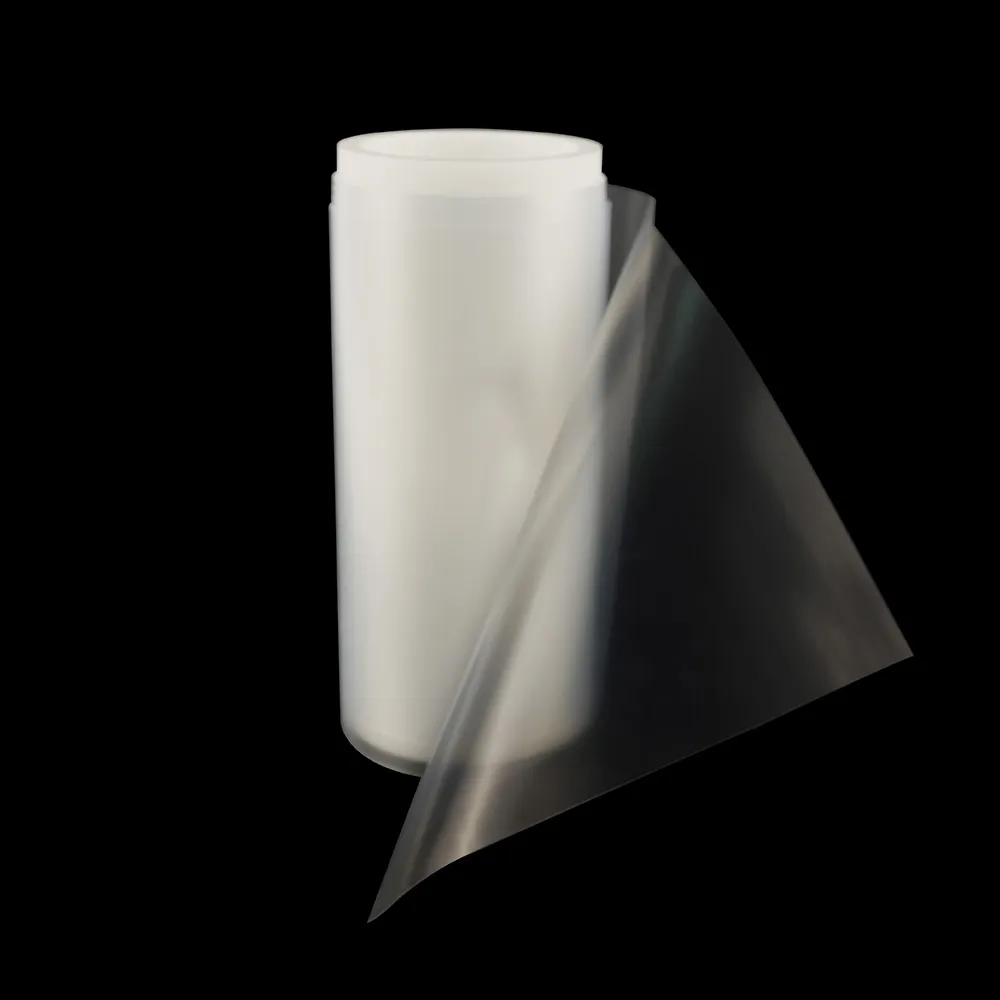
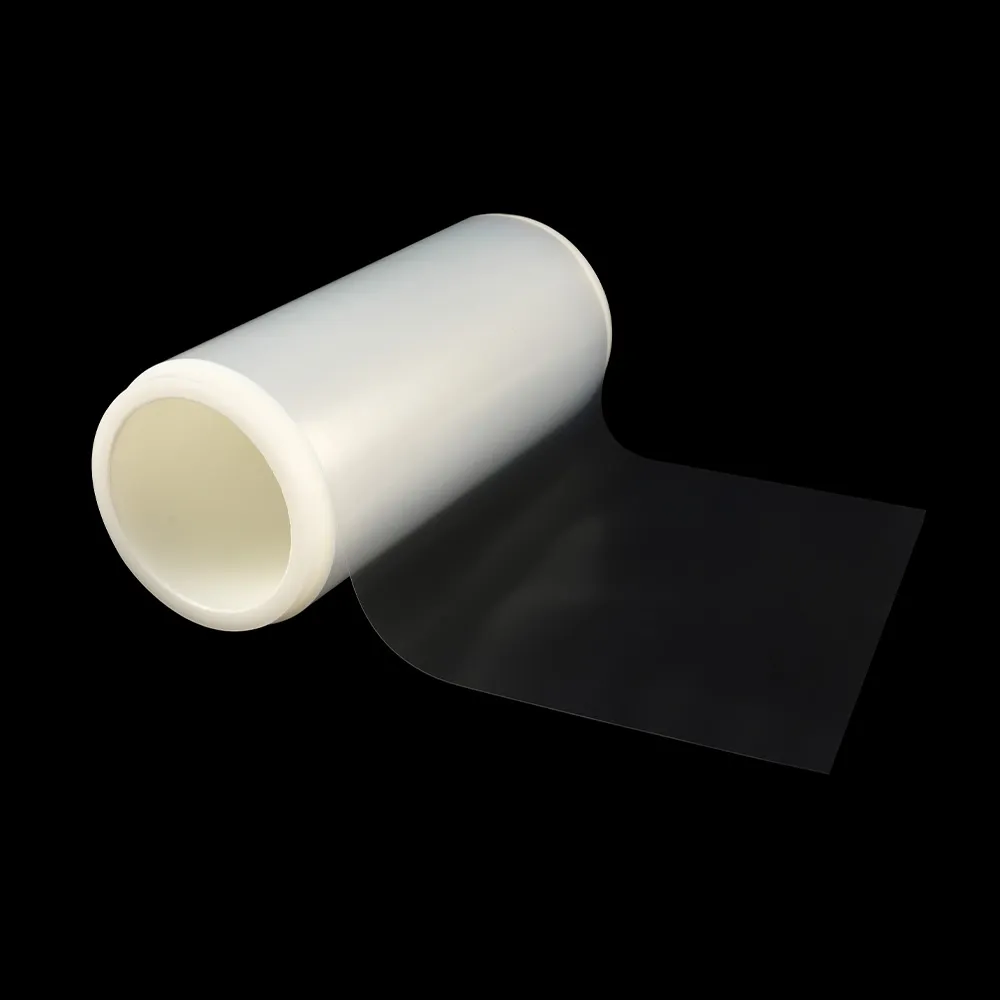
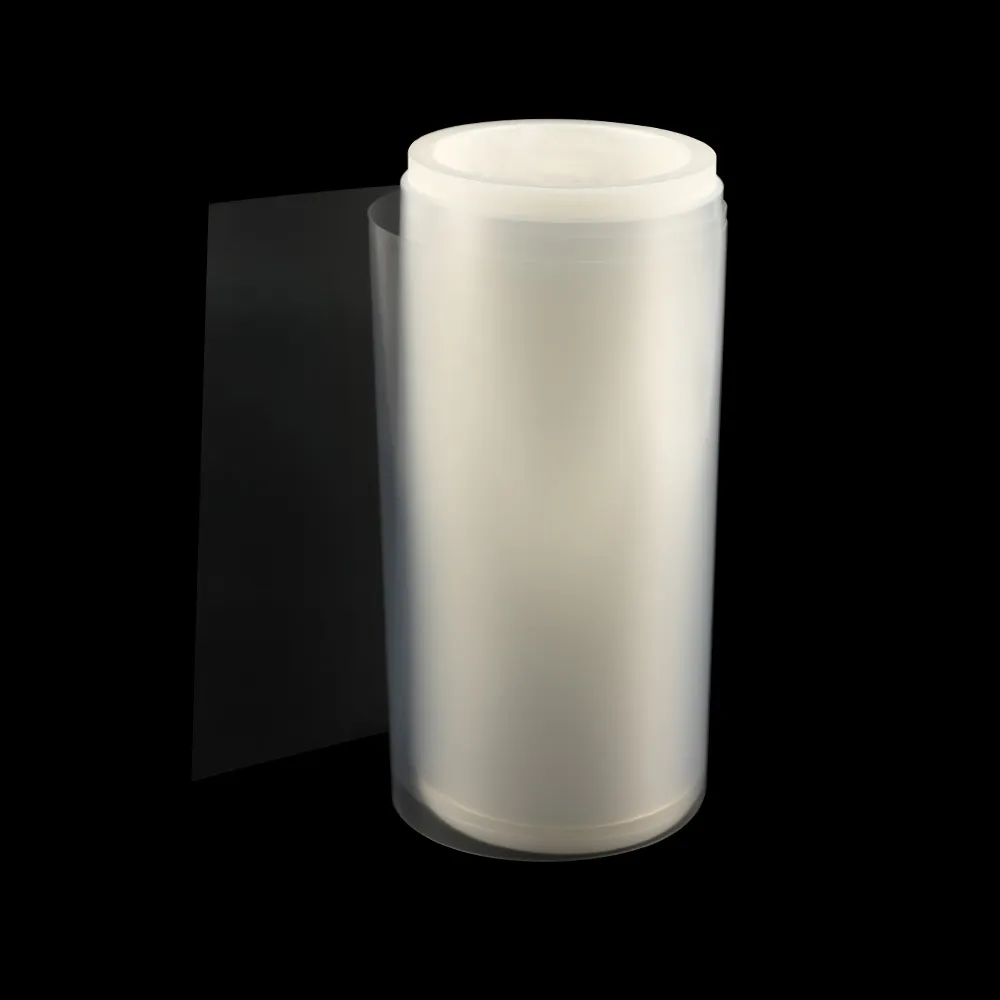
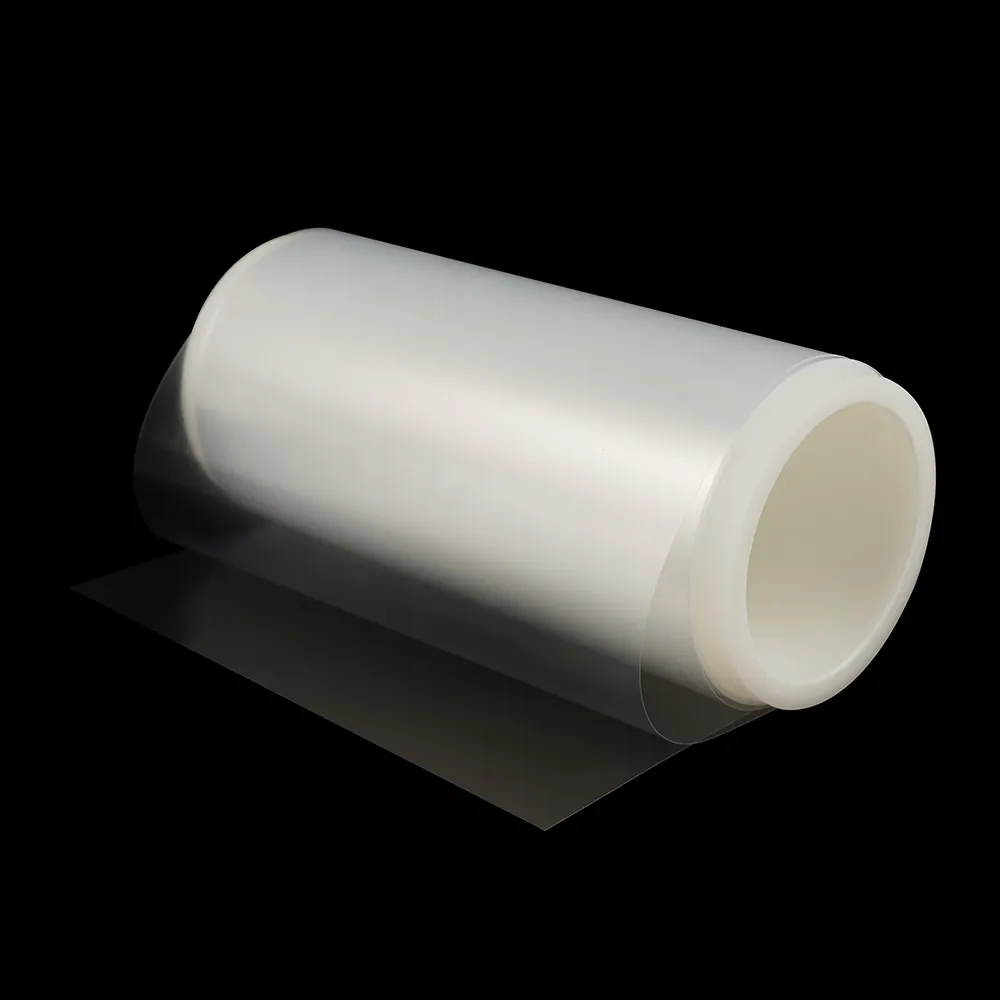
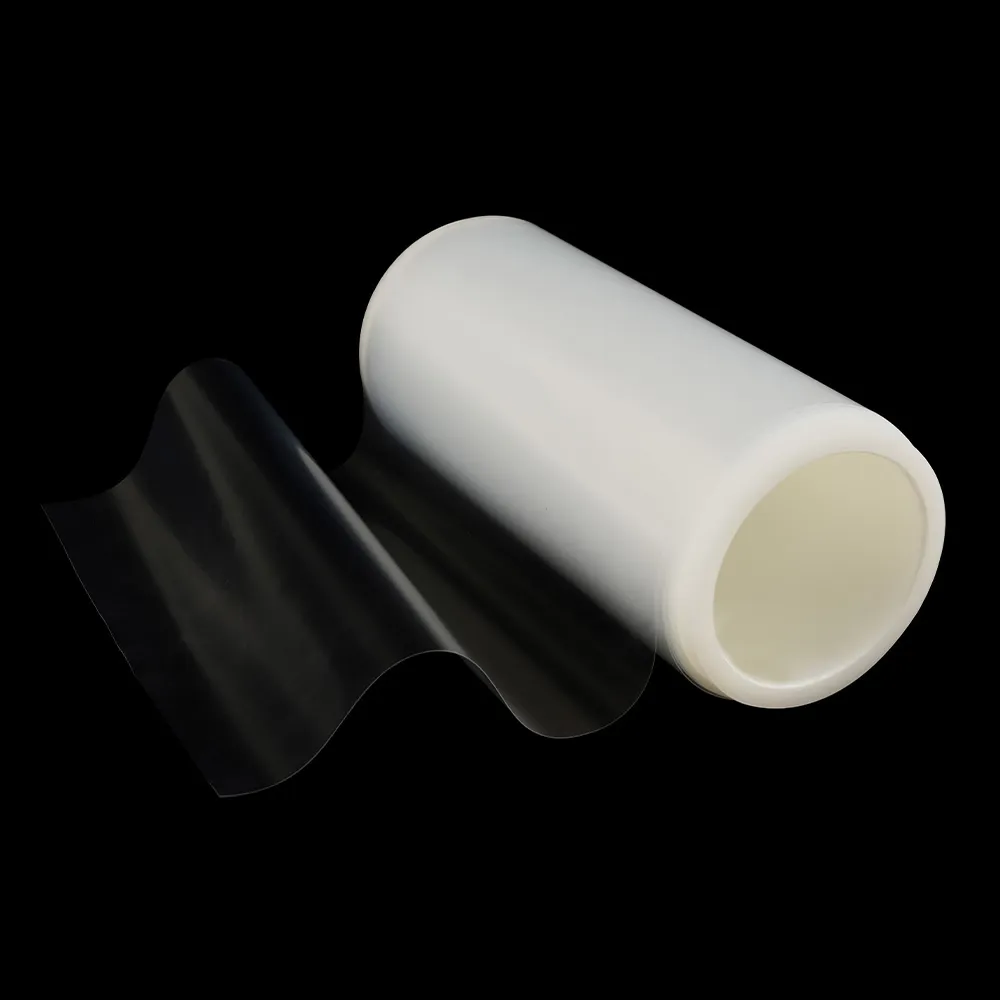
Technical Advantage: Why PFA is the Premium Choice
PFA doesn’t just resist heat; it maintains mechanical integrity at 260°C (500°F). Its superior creep resistance means it won’t deform under load as easily as other fluoropolymers, making it the top choice for critical gaskets and diaphragms.
| Test items | Typical value | Unit | Test method | ||
| Material | PFA | – | – | ||
| Total thickness | 25~150 | μm | – | ||
| Specific Gravity | 2.12~2.17 | – | ASTM D1505 | ||
| Refractive index | 1.345 | – | ASTM D542 | ||
| Light transmittance | 96 | % | ASTM E424 | ||
| Moisture Absorption Rate | <0.02 | % | – | ||
| Fracture Strength | 24 | Mpa | ASTM D882 | ||
| Elongation at break | 300 | % | ASTM D882 | ||
| MIT bending cycles | 100,000 | cycles | ASTM D2176 | ||
| Melting point | 305 | ℃ | ASTM D3418 | ||
| Long-term use temperature | 260 | ℃ | UL-746B | ||
| Heat shrinkage rate (150°C × 10 min) | ±2 | % | ASTM D3595-97 | ||
| Flame retardancy | VTM-0 | – | UL-94 | ||
| Limiting Oxygen Index | 95 | VoI% | ASTM D2863 | ||
| Dielectric strength | 0.025mm film | 250 | kV/mm | ASTM D149 | |
| 1mm film | 33 | ||||
| Dielectric constant | 1MHz | 2.02 | – | ASTM D150 | |
| 1000MHz | 2.01 | ||||
| Dielectric loss | 1MHz | 0.0003 | – | ASTM D150 | |
| 1000MHz | 0.0005 | ||||
| Volume Resistivity | >1.0*1017 | ohm.cm | ASTM D257 | ||
| Surface resistivity | >1.0*1016 | ohm/sq | ASTM D257 | ||
Critical Engineering Features
Ultra-Low Extractables: Our PFA resin is selected for its high purity, making this film essential for Semiconductor Wet Processing. It will not leach metallic ions or contaminants into ultra-pure water (UPW) or aggressive etching chemicals.
Melt-Processable & Weldable: Unlike PTFE, PFA is a true thermoplastic. It can be heat-sealed, vacuum-formed, and welded to create leak-proof liners for chemical tanks or 3D printer vats.
Universal Solvent Resistance: PFA is virtually unaffected by almost all known chemicals, including concentrated hydrofluoric acid, nitric acid, and highly corrosive bases, even at elevated temperatures.
Cryogenic Toughness: Maintains significant impact resistance and flexibility at temperatures as low as -200°C, ideal for aerospace and cryogenic storage applications.
High-Stakes Application Scenarios
Semiconductor & Photovoltaics: Lining for wafer carriers, wet bench components, and ultra-pure fluid handling systems.
Composite Mold Release: High-temperature release film for carbon fiber autoclaves where FEP would melt or stick.
Chemical Tank Linings: Thermoformed liners that provide a non-reactive barrier for aggressive chemical storage.
High-Performance Heat Sealing: Used as a hot-melt adhesive layer between PTFE fabrics or as a standalone heat-sealable bag for hazardous waste sampling.
Customization & OEM Precision
We provide PFA solutions tailored to specific dielectric and mechanical tolerances:
Thickness Precision: Available from 25μm (0.001″) to 500μm (0.020″) with consistent gauge control.
Surface Modification: One-side Corona Treatment (C-Treatment) available for applications requiring the film to be bonded to metals or other polymers.
Optical Grades: High-clarity versions for solar collectors and visual monitoring windows in chemical reactors.
Custom Slitting: Precision narrow-width slitting for cable insulation and spiral wrapping.
FAQ
Q: Why choose PFA over the cheaper FEP film?
A: Choose PFA if your continuous operating temperature exceeds 200°C or if your application involves high mechanical stress. PFA has significantly better flex life and stress-crack resistance than FEP.
Q: Can PFA film be used in food contact applications?
A: Yes. Our PFA films are manufactured from resins that are FDA compliant and RoHS/REACH certified, making them safe for high-temperature food processing and pharmaceutical packaging.
Q: Is PFA film UV stable?
A: PFA is one of the most UV-stable materials on earth. It will not degrade, discolor, or lose mechanical strength even after decades of intense solar exposure.
Reviews
There are no reviews yet.