
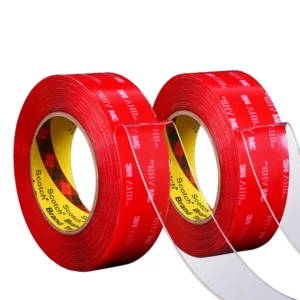
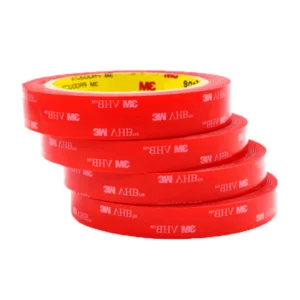
Key Functions
- Permanent structural bonding
- Transparent aesthetic bonding
- Stress and vibration absorption
- Mechanical fastener replacement
- Multi-material adhesion
Typical Applications
- Glass and architectural panels
- Signage and display systems
- Metal and acrylic assemblies
- Electronics enclosures
- Decorative trim bonding
Typical Substrates
- Glass
- Acrylic (PMMA)
- Aluminum
- Stainless steel
- Painted metals
Recommended Users
Manufacturers, OEMs, and engineering teams requiring clean, durable, and production-efficient bonding solutions.
Quick Facts
| Property | Value |
|---|---|
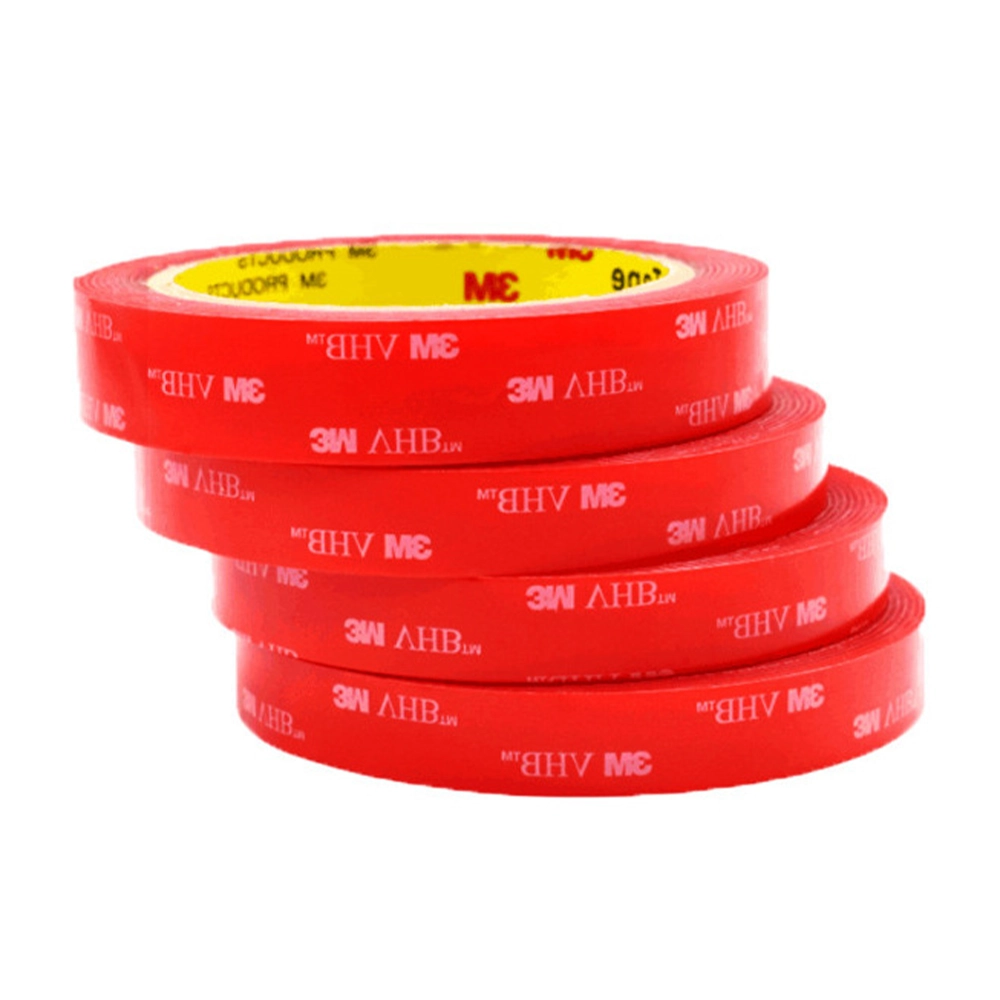
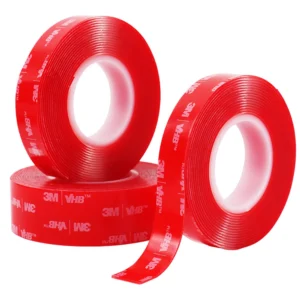
| Product Type | Double-sided acrylic foam tape |
| Core Structure | Closed-cell acrylic foam |
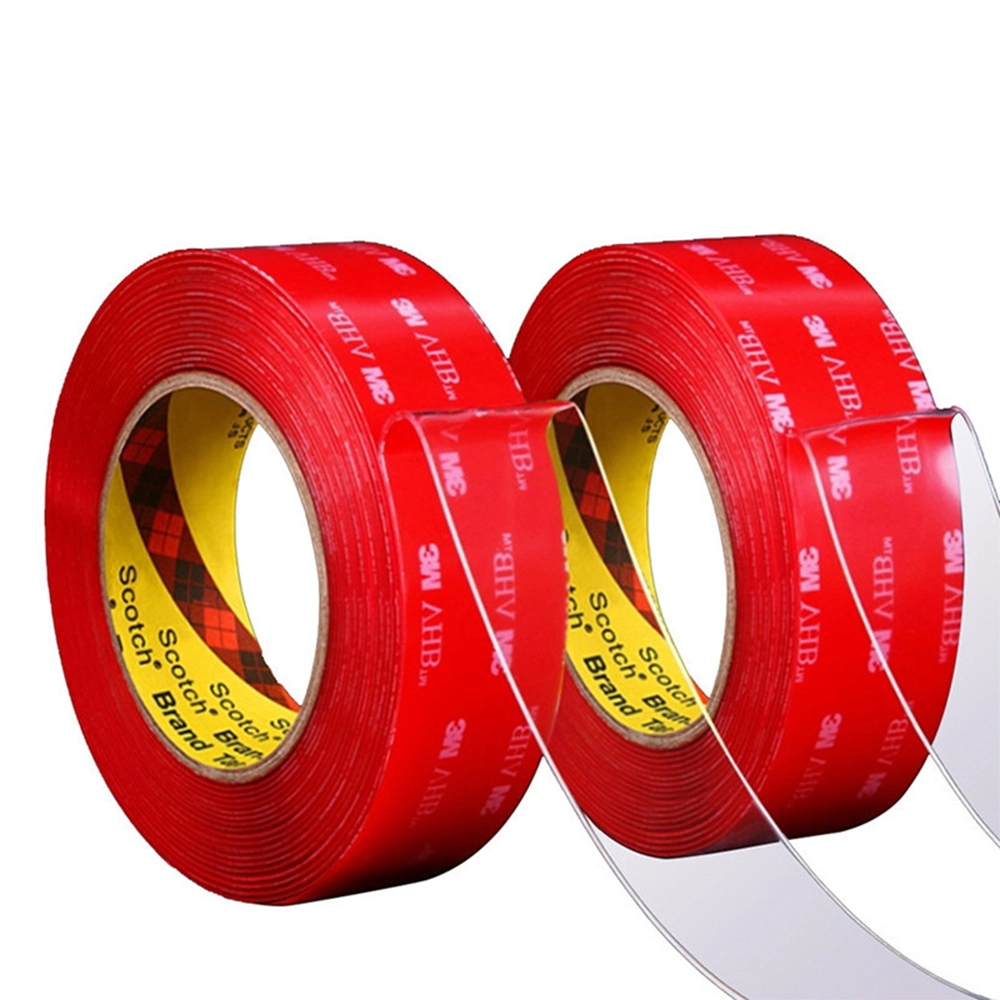
| Color | Transparent |
| Thickness | 0.5 mm (20 mil) |
| Adhesive Type | Acrylic (both sides) |
| Bond Type | Permanent structural bonding |
| Temperature Resistance | Long-term: up to 93°C / Short-term: up to 149°C |
| Typical Substrates | Glass, acrylic, aluminum, stainless steel, coated metals |
Key Benefits
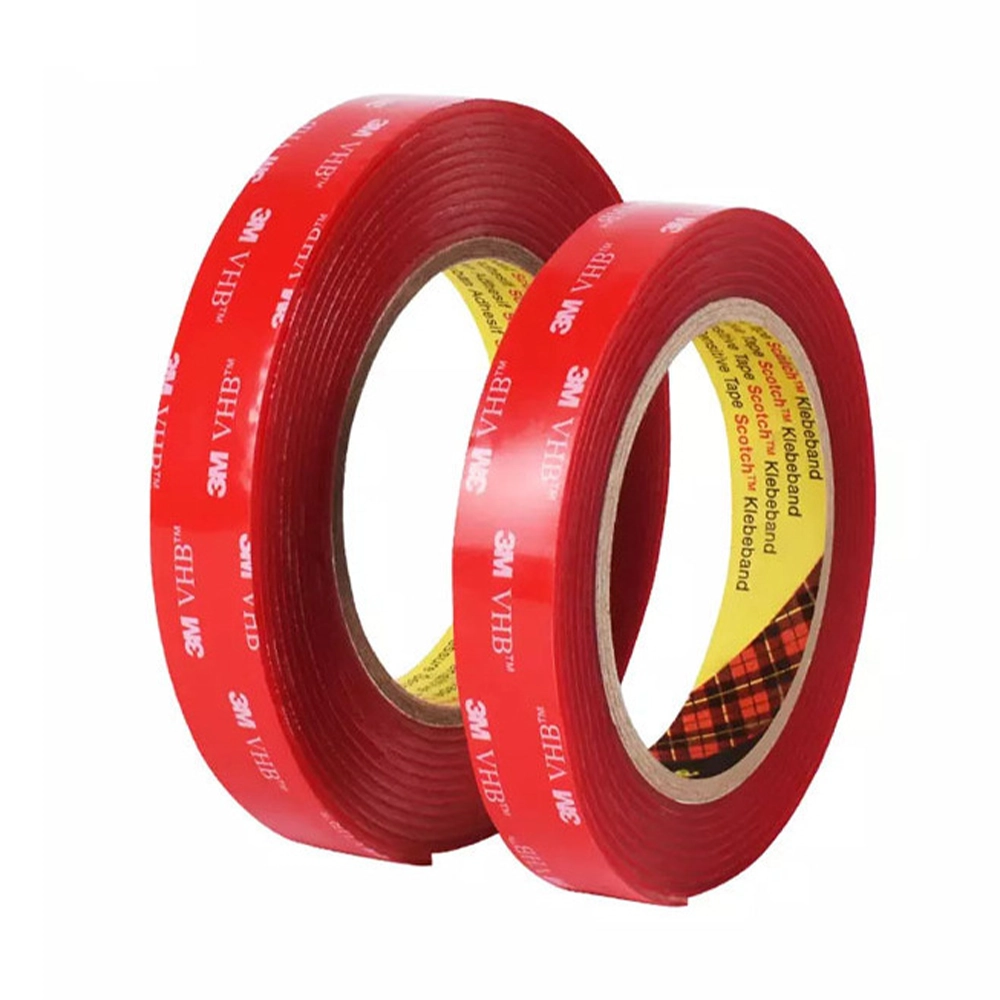
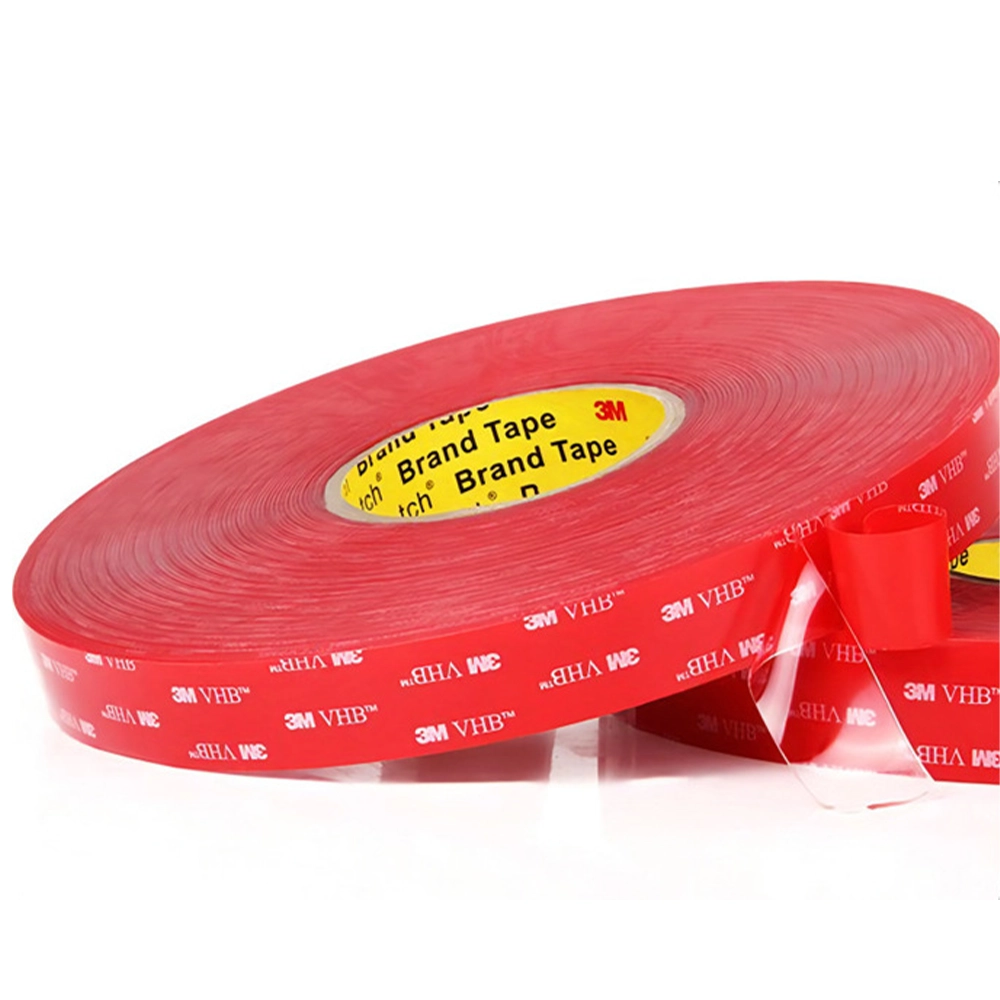
3M 4905 VHB Tape enables structural bonding without mechanical fasteners, improving aesthetics, simplifying assembly, and distributing stress across the entire bond line.
It is widely used in applications where appearance, durability, and production efficiency are critical.
Engineering Principle
The tape uses a viscoelastic acrylic foam core that conforms to surface irregularities and maintains long-term adhesive stability.
Load is distributed across the entire bonded area rather than concentrated at discrete points, reducing stress concentration and improving joint durability.
Applications
Architectural & Glass Systems
- Interior glass panels
- Decorative glazing
- Partition systems
Signage & Display
- Acrylic letters
- LED signage
- Retail displays
- Exhibition structures
Industrial Assembly
- Aluminum panels
- Stainless steel trims
- Coated metal bonding
Electronics & Enclosures
- Plastic housings
- Light structural assemblies
- Decorative covers
Problems Solved
- Visible mechanical fasteners
- Drilling and machining requirements
- Stress concentration at joints
- Slow assembly processes
- Uneven adhesive application
Selection Guide
Choose this product if:
- Transparent bonding is required
- Aesthetic appearance is critical
- Mechanical fasteners are not preferred
- Vibration damping is required
- Permanent bonding is needed
Not recommended if:
- Heavy structural load-bearing is required
- Surface is highly porous or rough
- No surface preparation is possible
- Engineering certification requires mechanical fastening
Technical Specifications
| Property | Value |
|---|---|
| Product Type | Double-sided acrylic foam tape |
| Core Structure | Closed-cell acrylic foam |
| Color | Transparent |
| Thickness | 0.5 mm (20 mil) |
| Adhesive Type | Acrylic (both sides) |
| Bond Type | Permanent structural bonding |
| Temperature Resistance | Long-term: up to 93°C / Short-term: up to 149°C |
| Typical Substrates | Glass, acrylic, aluminum, stainless steel, coated metals |
Comparison
| Property | 3M 4905 VHB | Screws/Rivets | Liquid Adhesive |
|---|---|---|---|
| Appearance | Excellent | Poor | Good |
| Installation Speed | High | Low | Medium |
| Stress Distribution | Uniform | Point load | Medium |
| Vibration Resistance | High | Low | Medium |
| Surface Damage | None | Yes | No |
Alternative Considerations
When evaluating alternatives to 3M 4905 VHB Tape, key comparison factors include:
- Thickness equivalence (0.5 mm class)
- Acrylic foam chemistry
- Closed-cell structure
- Adhesion to high surface energy substrates
- Temperature resistance
- Long-term creep performance
Installation Guidelines
- Clean surface with isopropyl alcohol
- Apply uniform pressure during bonding
- Ensure dry, dust-free environment
- Avoid immediate mechanical loading
- Allow bond strength development over time
Common Mistakes
- Contaminated surface bonding
- Insufficient application pressure
- Low-temperature installation
- Immediate load application
- Incorrect substrate selection
FAQ
Can 3M 4905 replace screws or rivets?
It can replace mechanical fasteners in many light-to-medium structural bonding applications depending on engineering requirements.
Does it require curing time?
No chemical curing is required, but bond strength develops over time.
Can it bond glass to metal?
Yes, it is widely used for glass-to-metal bonding applications.
What causes bonding failure?
Most failures are caused by improper surface preparation or incorrect application conditions.
Reviews
There are no reviews yet.